Frequent players of the Piggy Riches Megaways slot will be used to those unexpected pop-up warnings https://piggyrichesmegaways.uk/. For anyone seeking to grasp the game’s mechanics, the frequency and function of these messages for UK players is deserving a closer look. UK gambling rules keep these alerts obligatory, and they function as a clear line of player protection. This overview explains what causes them to emerge, how regularly you’ll encounter them, and what they actually signify for your session. Familiarizing yourself with this system assists you gamble more responsibly and shows how a approved UK slot like this Relax Gaming title includes safeguards.
Grasping UKGC-Mandated Pop-Up Warnings
Let’s kick off with the origin of these warnings stem. The UK Gambling Commission (UKGC) requires all online slots offered to UK players to include specific player protection features. This isn’t a suggestion, it’s the law. The warnings constitute a wider set of tools aimed at promoting safer gambling, acting as regular check-ins. I consider them essential regulatory safeguards, a direct outcome of the UK’s focus on protecting consumers. Their presence is in fact a good sign; it signifies you’re playing a properly licensed game.
The technical term for this is “player-centric controls,” which is part of the UKGC’s Licence Conditions and Codes of Practice (LCCP). Operators are required to use systems that monitor play and interact with customers when certain risk signs emerge. For Piggy Riches Megaways, this logic is integrated right into the game software. This guarantees consistency. You’ll get the same warnings on your phone as on your laptop, prompted by the same rules. The protection is integrated directly into the game.
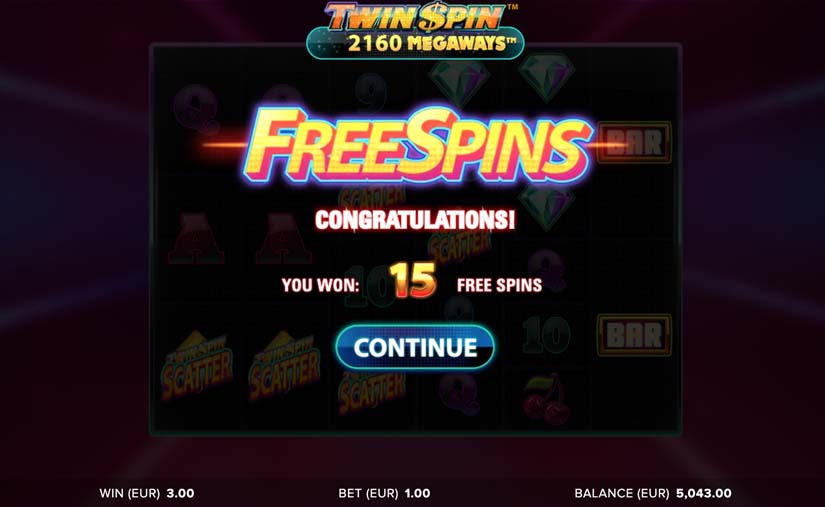
These messages are impossible to miss by design. They are full-screen pop-ups that interrupt the game completely. You have to click to continue. This approach is very deliberate. A small notification in the corner could be dismissed, especially during an engaging feature like the Money Respin. The mandatory, disruptive pop-up is the whole point. It produces a pause you cannot skip. This level of intervention is a hallmark of the UK market, creating a global standard for safety that directly impacts how your game session flows.
User Settings: Options Influencing Alerts
You cannot disable the mandatory warnings, but you do have control over settings that shape their context. Before you start playing, navigate to the responsible gambling tools in your casino account. In this section, you can establish deposit limits, loss limits, and session time limits. If you define a 30-minute session limit, you’ll be sent a notification from the casino itself when you hit it, separate from the in-game one-hour warning. Taking these steps tailors the safety framework and gives you control.
These personal limits are the area where you apply real control. A deposit limit can be daily or weekly. A loss limit may stop further play if you forfeit a set amount. A session time limit will disconnect you after your chosen duration. By configuring these, you create a personalised safety net that works alongside the generic in-game warnings. This layered approach gives you multiple, escalating touchpoints, presenting more chances to assess your state.
View these account tools as an element of your game strategy. Just as you choose a bet size, choosing limits is a strategic move for sustainable play. The process is simple and located under “Responsible Gambling” on your casino site. Once set, limits typically include a cooling-off period before they can be increased, which prevents impulsive decisions. This is strong pre-commitment. Employing these options turns the regulatory framework into a system that accommodates your personal playstyle.
The Typical “Time Played” Warning Message
The alert you’ll come across most often is the “time played” alert. After one hour of continuous play, the game will halt and show a clear message telling you exactly how long you’ve been at the reels. This is a standard rule across the UK. The message leaves no room for misunderstanding and you must accept it to carry on. In my experience, this interruption is well-timed. An hour of continuous slot play is a substantial chunk of time, and the forced break gives you a natural moment to determine if you want to stop or keep going.
We should be precise about what “continuous play session” means. The timer tracks active play time, not just how long your browser window is open. If you stop spinning the reels, the counter usually pauses. But if you’re using the autoplay function, the clock keeps running. The one-hour mark is a regulatory minimum. The wording might say something like: “You have been playing for 1 hour. Please take a moment to consider how long you have been playing.” It’s a balanced, factual statement meant to prompt your own assessment.
The psychological effect is significant. In a volatile game like this, an hour can fly by quickly during cycles of base game spins and bonus triggers. The warning acts as a circuit breaker. Think of it as a built-in alarm clock. Seeing this interruption as a useful tool is important for getting used to the regulated UK environment and keeping your play in check.
Incidence of Autoplay Stops
Piggy Riches Megaways includes an autoplay option, but UK regulations control its use tightly. When you turn autoplay on, the game will interrupt you with a prompt after a predetermined number of spins, generally a maximum of 100. Some operators may set a lower limit. You may not let autoplay run indefinitely. The game halts, shows your figures for that set of spins, and prompts you to confirm you want to proceed. This setup strikes a middle ground, maintaining the usefulness of autoplay while including necessary check points.
The autoplay break functions as a two-stage safety element. First, when you set up autoplay, you are restricted in how many spins you can schedule. Second, even within that threshold, a mandatory pop-up will pop up after 100 spins. This pop-up provides a key summary: your starting balance, your current balance, and your net result. You are required to look at the effect of those 100 spins before you agree to another round. This turns the inspection into a useful financial picture.
It’s interesting to see how this works with the game’s systems. Long series of cascading wins during the Money Respin mode count as just one spin for the autoplay tracker. A lengthy bonus round won’t cause multiple alerts. The system measures betting cycles, not every individual screen move. This clever method guarantees the warnings stay useful without turning into a annoyance during the game’s most thrilling parts.
Contrasting Warning Frequency to Other Slots
You may wonder if Piggy Riches Megaways offers more or fewer warnings than other games. The core frequency remains identical across all slots regulated by the UKGC. The one-hour play alert, autoplay interruptions, and net loss warnings are uniform. However, your perception of how often they appear may vary. A volatile, feature-packed game like this can distort your sense of time. A busy hour could cause the warning appearing quickly, while a slower session might cause it feel delayed. But the clock remains impartial.
This standardisation is vital for player trust. You could switch from a simple fruit machine to this Megaways title and get the same baseline protection. Relax Gaming incorporates the underlying code to meet UKGC standards. Frequency isn’t a setting the casino can change; it’s baked into the UK version of the game. This consistency supports player education; once you grasp the system in one game, you understand it for all, which removes confusion.
You may notice slight variations in presentation, like the exact wording or visual design, which could be formatted by the provider. Also, the net loss threshold could be adjusted differently by different operators. But the fundamental triggers are fixed. This establishes a unified safety rhythm across the entire UK online slot landscape. When you play Piggy Riches Megaways, you experience the same protective cadence as on any other licensed slot.
Loss Restriction and Overall Loss Warnings
Apart from time-based alerts, the system also monitors your net loss during a single session. If your net loss triggers a specific threshold, a warning message will pop up. The casino operator determines this threshold, but having one is a regulatory must. The message informs you clearly what your current net loss is and prompts you that you can set deposit limits or take a break. This is a powerful, real-time feedback mechanism. In the immersive world of a Megaways slot, it’s easy to lose track; this warning gives you a stark, factual update.
The crucial term here is “net loss.” This signifies the total amount you’ve wagered minus the total amount you’ve won in that session. It’s not about single bets, but your overall position. Operators have some flexibility on the trigger point, often using a percentage or a fixed amount based on your play patterns. The message is direct: “Your net loss is £50. Remember you can set limits.” The casino isn’t telling you to stop; it’s giving you the data so you can make that choice yourself.
This warning is particularly valuable in a high-volatility game. The potential for big wins is there, but so are extended periods where your balance slowly drops. Chasing the Piggy Bank feature can lead to mounting losses that feel gradual. The net loss warning cuts through that with a clear, numerical reality check. Use it as a prompt to actually log into your casino account and set those hard deposit or loss limits it mentions.
In what manner Game Events Impact Warning Frequency
Warning frequency does not change because of in-game events like triggering a bonus round or hitting a large win. The triggers are founded exclusively on time, spin count in autoplay, and net loss. If you are in a dry spell or a cascade of respins, the one-hour timer keeps ticking. This consistency is purposeful. The protections are unbiased and distinct from the emotional highs and lows of the game. This is a strength. The warnings act as a grounding mechanism, delivering clarity no matter how erratic the game feels.
This separation is a key design principle. If warnings were linked to losing streaks, they could come across as punishment. If they only showed up after big wins, players might ignore them. The UKGC’s approach is mentally more precise. Using neutral metrics like a clock makes the warnings predictable. You understand they will appear after a certain interval, so you can plan for them. This erases any feeling that the game is “judging” your luck.
Apply this to a Piggy Riches situation. You activate the Money Respin feature, a tense event that continues for several minutes. If your hour of continuous play finishes in the middle of this feature, the warning will pop up once the feature ends. The game state is preserved, and you get the pop-up before you return to the base game. This makes sure you cannot use an absorbing bonus to bypass the mandated break. The system’s objectivity is what guarantees its integrity.
The Intent Behind the Interruptions
It’s tempting to view these messages as administrative formalities, but that misses their underlying purpose. Their main goal is to introduce a “moment of reflection” into a potentially immersive activity. The UKGC’s approach applies behavioural science to disrupt a state of “flow” where players lose track of time and money. By imposing a full-screen stop that demands a click to proceed, the design transitions you from mindless play to conscious choice. This nuanced change fosters a more conscious environment.
The “flow state” is a well-known concept in gaming psychology. It’s that feeling of being “in the zone,” where actions and awareness merge. In gambling, this can decrease your awareness of spending. The mandated warning is a intentional “flow break.” It shifts your mental mode. You shift from watching spinning reels to viewing text and making a choice: “Do I continue?” This brief shift engages the part of your brain responsible for deliberate decision-making.
This supports the goal of preventing gambling harm. Warnings are “nudge” theory in practice. They don’t ban action, but they design the choice environment to make safer decisions simpler. By making continuation a intentional action after a pause, the system adds the “friction” for mindless play. Recognizing this can transform how you experience the pop-up. It’s a refined, research-backed tool that carries out a duty of care.
What to Do When a Warning Appears
When a warning pops up, treat it as a true stop, not just an thing to skip. Pause. Carefully review the details it displays, be it your play duration or your net loss. Use it for a quick self-check: How am I doing right now? Am I gaming for entertainment or trying to recover? What has happened to my funds? This is the great opportunity to grab a beverage or stretch your legs. The game saves its state if you’re in a special round. Making this a habit turns a regulatory requirement into a personal tool for control.
Work on creating a personal ritual. When the 60-minute warning shows up, stand up and shift your focus from the screen for 30 seconds. This movement pause strengthens the psychological rest. Use a net loss warning as a cue to check your casino transaction history. These steps tailor the feature’s benefit. Recall, the game state is maintained; there’s no requirement to speed. Your bonus round will remain available.
Begin viewing warnings as a built-in coaching system. They are consistent, objective checkpoints. If you notice you are frustrated by them frequently, that’s valuable self-knowledge. It could indicate you enjoy extended play, which is a cue to be especially mindful with your predetermined deposit caps. By participating fully, reading, thinking, and choosing intentionally, you regain control. You turn into an active partner in safe gaming, which is the main objective of the UK regulatory structure for games like Piggy Riches Megaways.